What your tongue might be quietly telling you
An Introduction Traditional Chinese Medicine Tongue Analysis
I often ask my clients to send me a photo of their tongue or I will ask if I can take a look during a session. The tongue has a quiet way of showing patterns. It can give insight into what is happening in the gut, highlight possible nutrient deficiencies, reflect hormonal shifts or point towards immune stress. It is something I have come to trust over time.
When I was a child, my family doctor would always begin by looking at my tongue, ears, nails and hair before moving into the consultation. At the time it felt routine. Now I can see how much information he was gathering in those first few moments. Our tongue has a lot to tell us if we take the time to pause, look and listen to what the body is trying to communicate.
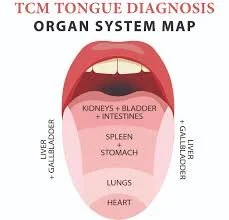
From a naturopathic and traditional perspective, the tongue reflects what is happening internally, particularly in digestion. When digestion is under pressure, the tongue rarely stays the same. A thicker coating is something I see often. It is not dramatic but once you notice it, you start to see it more clearly. It can point towards sluggish digestion, an imbalance in gut bacteria or simply a system that is not clearing things as efficiently as it could.
Sometimes that coating shifts in colour. A yellow tone can suggest more heat or irritation in the digestive system. A patchy or worn looking tongue can feel like the opposite, more of a depletion picture. This is often linked to low stomach acid or a digestive system that has been under strain for a while.
Reflux is one of the more interesting areas here. Many people assume they have too much stomach acid because of the burning sensation. But when we look more closely, including at the tongue, it is often the opposite. A dry tongue, a central crack or a thinner coating can all point towards low stomach acid rather than excess. When stomach acid is low, food is not broken down properly. It lingers, ferments and creates pressure. That pressure can move upwards and lead to the symptoms we recognise as reflux. So the body is not necessarily producing too much acid, it may be struggling to produce enough or to use it effectively.
The tongue can also give quiet clues about nutrient status. A pale tongue can suggest that the body is not as well nourished as it needs to be, particularly when it comes to iron or overall blood support. A very smooth, almost glossy tongue is something I always pay attention to. This can be a sign of glossitis and is often linked to low B12, folate or iron. It is not something to confirm from the tongue alone but it is a strong signal to explore further. Then there are the brighter tones, reds, magentas, deeper hues. These can sometimes reflect inflammation but also specific nutrient needs, particularly around the B vitamins. Nothing sits in isolation, it is always part of a wider picture.
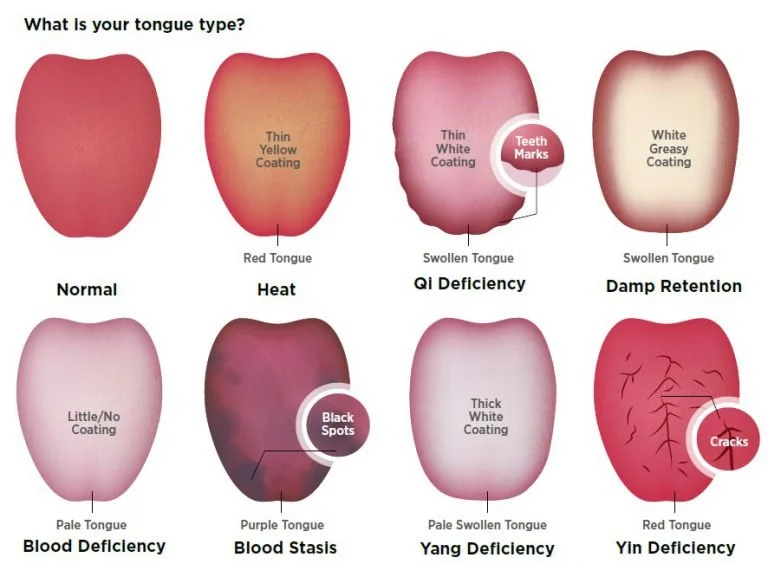
Cracks tend to tell a longer story. They are rarely about something recent. More often they reflect something that has been ongoing. A central crack down the middle of the tongue is commonly linked to digestion, low stomach acid, reduced breakdown of food or simply a system that has been under pressure for a long time. When there are multiple cracks across the tongue, I often think about stress, not just short bursts but the kind that lingers and builds over time. Dryness can sit alongside this as well. It is not always just about drinking more water, it can reflect how the body is holding and using fluids and how the nervous system is functioning.
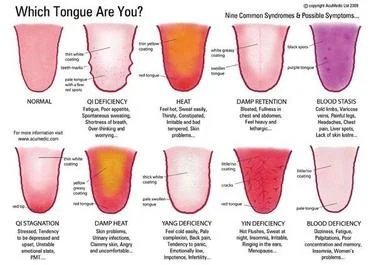
What I find most helpful is not focusing on one sign but stepping back and looking at the full picture. The tongue alongside symptoms, diet, energy, sleep and stress. It becomes part of a conversation rather than something to fix.
If you are curious, it is worth having a look. First thing in the morning, before eating or brushing your teeth, in natural light if you can. No judgement, no overthinking, just noticing. You might begin to see patterns and over time those patterns can become useful.
There is something quite grounding about it. In a world where we often look outside ourselves for answers, the tongue is a small reminder that the body is already communicating, quietly, consistently and often more clearly than we expect.